
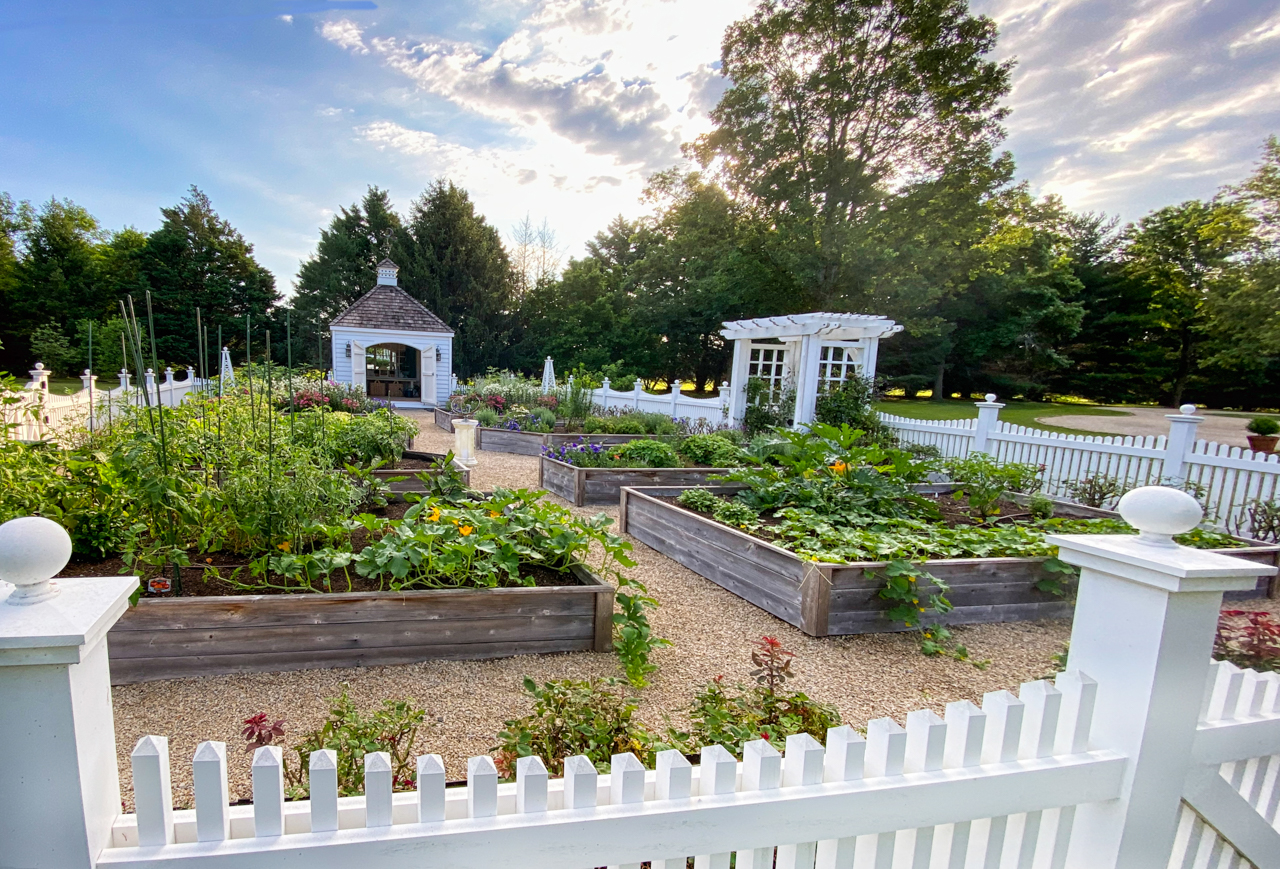
Garden design has shifted in meaningful ways over the past decade. As a result, homeowners now want landscapes that look refined, support daily use, and respond responsibly to the environment. Rather than focusing on decoration alone, today’s garden design emphasizes long-term performance, adaptability, and ecological balance.
At the same time, modern gardens are expected to do more. They must support outdoor living, manage water responsibly, and continue to perform as plants mature. When form, function, and sustainability work together, the result is a residential landscape that feels intentional, balanced, and enduring.
Design That Starts With How the Space Is Used
At its core, contemporary garden design begins with purpose. The layout should reflect how the space supports everyday life, whether for entertaining, quiet retreat, or a mix of both. For that reason, paths, seating areas, and garden rooms are planned to encourage movement and connection, not just visual appeal.
Early in the process, a landscape architect evaluates circulation, access, and sightlines. These elements, in turn, guide how the garden is experienced throughout the day and across seasons. When form follows function, the garden feels natural rather than staged.
Over time, clear structure also helps gardens age gracefully. Defined edges, hierarchy, and scale prevent the space from feeling cluttered as plantings mature and shift.
Materials and Layouts That Support Longevity
In modern garden design, material selection plays a critical role. Materials must perform as well as they look, especially when exposed to weather, foot traffic, and seasonal change. As a result, durability directly supports long-term value and usability.
Stone, concrete, and carefully selected wood features provide resilience while still complementing natural surroundings. Meanwhile, layout decisions consider drainage, soil conditions, and transitions between surfaces. Together, these details protect both plants and structures over time.
Ultimately, landscape architecture connects material choices with environmental conditions. The goal is a garden that remains functional, cohesive, and visually consistent year after year.
Sustainability Built Into the Design
Today, sustainability in garden design is no longer optional. Instead, thoughtful planting, efficient water use, and soil health guide design decisions from the very beginning. These strategies not only improve performance but also reduce long-term inputs.
For example, native and adaptive plants support local ecosystems while requiring less irrigation once established. In addition, layered planting improves resilience and creates habitat. Healthy soil management further helps gardens thrive without excessive fertilizers or treatments.
Equally important, water management plays a key role. Grading, permeable surfaces, and strategic plant placement help control runoff and protect surrounding areas. In this way, sustainable choices support both the garden and the larger landscape.
Planting Design With Purpose
Today, plant selection is driven by function as much as appearance. Gardens must provide structure, seasonal interest, and comfort without overwhelming the space. Therefore, growth patterns and maintenance needs are considered early in the process.
Trees provide shade and scale, while shrubs define space and offer privacy. Meanwhile, perennials and groundcovers introduce texture and seasonal change. A strong garden design balances these layers to create visual clarity and ease of care.
As a result, gardens feel complete without feeling rigid. This flexibility allows the landscape to evolve naturally over time.
Maintenance as Part of the Design Process
From the outset, modern garden design considers maintenance. A well-designed garden should support realistic lawn care and garden care practices. Otherwise, systems that rely on constant intervention often lose their appeal.
Clear access, durable materials, and appropriate plant spacing make upkeep more manageable. Over time, maintenance becomes a routine process rather than a burden. This approach protects the investment and preserves the garden’s intended character.
Ultimately, a residential landscape designed with maintenance in mind performs better in every season.
Common Questions About Modern Garden Design
What defines modern garden design today?
Today, modern garden design focuses on long-term performance, usability, and environmental responsibility. It balances form and function while also considering how the garden will evolve over time. As a result, the landscape supports daily life and remains visually cohesive as plants mature.
How does garden design support everyday use?
First, garden design starts with how the space will be used. Circulation, seating, and access are then planned to encourage movement and comfort. When design follows function, the garden feels integrated with the home rather than purely decorative.
Why is sustainability important in garden design?
Sustainability improves both performance and longevity. For example, native and adaptive plants reduce water use and maintenance demands. In addition, healthy soil, efficient irrigation, and responsible material choices support resilient landscapes that respond well to local conditions.
What role does a landscape architect play in garden design?
A landscape architect brings layout, materials, planting, and environmental conditions together into a cohesive plan. By evaluating circulation, drainage, scale, and long-term growth, they ensure the garden remains functional, balanced, and adaptable over time.
How do materials affect the longevity of a garden?
Materials directly influence durability, maintenance, and seasonal performance. Stone, concrete, and properly detailed wood features handle weather and use more effectively. When materials are selected with climate and drainage in mind, the garden ages more gracefully.
How is planting design different in modern gardens?
Today, planting design prioritizes structure, growth habits, and maintenance needs. Trees, shrubs, and perennials are layered to provide year-round interest without overcrowding. Consequently, the garden maintains clarity while evolving naturally.
How does maintenance factor into garden design?
Maintenance is considered from the beginning. Proper spacing, access, and material choices make lawn care and garden care more manageable. As a result, the garden remains attractive and functional without excessive effort.
Can a modern garden adapt over time?
Yes. Modern garden design allows for flexibility as plants grow and needs change. A strong structure provides consistency, while adaptable planting and materials support gradual evolution. In turn, the residential landscape remains relevant for years to come.
Garden Design for Today and Tomorrow
Overall, today’s garden design blends form, function, and sustainability into a cohesive whole. These landscapes are built to support daily life while responding to environmental conditions. When design decisions align with long-term goals, gardens become more resilient and enjoyable.
In the end, a thoughtful approach ensures the garden remains a lasting part of the home, not just a momentary statement.

