
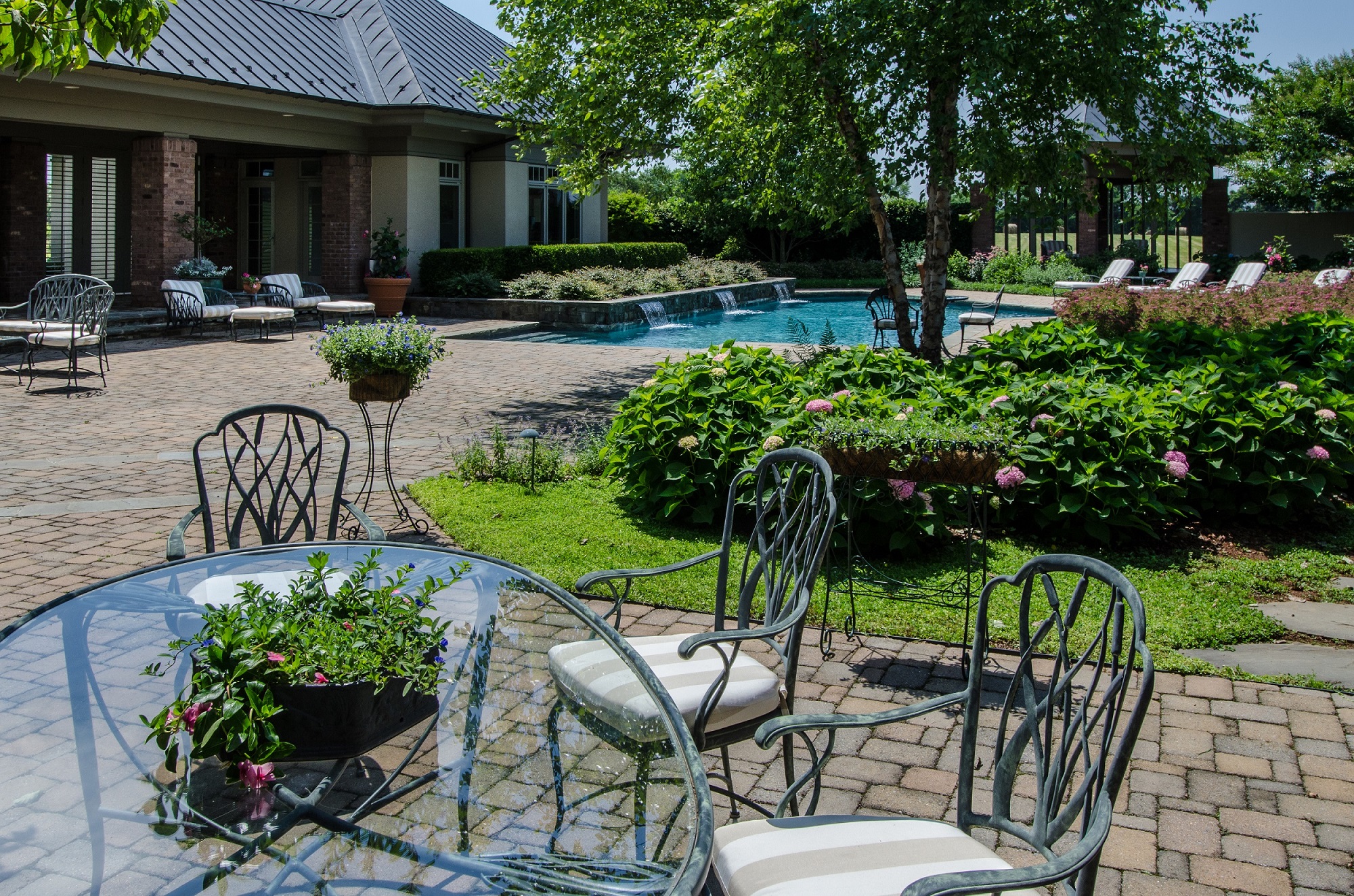
Outdoor living spaces should feel like a natural extension of your home, not an area you only use a few months a year. With the right planning, these spaces can stay comfortable, functional, and visually appealing through changing weather and temperatures. A thoughtful design approach allows homeowners to enjoy their outdoor environment longer, without constant adjustments or upgrades.
Well-designed outdoor living spaces balance comfort, durability, and flexibility. Every decision, from layout to materials, plays a role in how the space performs throughout the year. When design considers seasonal use from the start, the result is a space that feels intentional and inviting in every season.

Start With Purpose and Layout
Seasonal performance begins with how the space is organized. An outdoor living area should support how you plan to use it, whether that’s entertaining, relaxing, dining, or all three. Clear zones help the space function smoothly and prevent it from feeling underused during colder or hotter months.
Orientation matters. Sun exposure, prevailing winds, and shade patterns change throughout the year. A landscape architect evaluates these conditions to position seating areas, dining spaces, and walkways where they remain comfortable as seasons shift. This approach reduces reliance on temporary fixes like portable heaters or umbrellas.
Circulation is also key. Paths should remain safe and accessible during wet or icy conditions. Proper grading and drainage help prevent puddling, runoff, and surface damage that can limit use during shoulder seasons.
Choose Materials Built for Year-Round Use
Materials play a major role in how outdoor living spaces age and perform. Surfaces exposed to heat, moisture, and freeze-thaw cycles must handle stress without cracking, fading, or becoming slippery. Choosing materials based on climate and usage helps protect the investment long term.
Stone, concrete pavers, and porcelain surfaces offer durability and traction when selected correctly. Wood elements require careful detailing and placement to avoid moisture issues. Metal features should resist corrosion and temperature changes without warping.
A landscape architecture approach looks beyond appearance. It considers how materials feel underfoot in summer heat, how they drain after heavy rain, and how they hold up through winter conditions. These decisions keep the space usable, not just attractive.
Design for Comfort in Every Season
Comfort shifts with the seasons, but smart design anticipates those changes. Shade structures, pergolas, and strategically placed plantings help manage heat during warmer months. In cooler seasons, wind protection and heat retention become more important.
Built-in features such as fire pits or outdoor fireplaces extend usability well into fall and early spring. These elements provide warmth while creating a natural gathering point. Walls, screens, and elevation changes can also block wind without closing off the space.
Lighting plays a role year-round. Shorter days call for layered lighting that improves visibility and creates atmosphere. Well-planned lighting ensures outdoor living spaces remain inviting even as daylight fades earlier.
Integrate Planting With Function
Planting design should support seasonal use, not interfere with it. Trees and shrubs can offer shade, wind buffering, and visual interest when placed intentionally. Deciduous trees provide summer shade while allowing winter sun to reach seating areas.
Evergreens add structure and privacy throughout the year. Perennials and ornamental grasses bring seasonal color while requiring minimal maintenance. A garden design that considers growth patterns prevents plants from overcrowding walkways or gathering spaces over time.
When planting works in harmony with hardscape elements, the space feels balanced and functional in every season.
Plan for Maintenance and Longevity
Outdoor living spaces should be easy to maintain as conditions change. Drainage, surface treatments, and material choices all affect how much upkeep is required. Designs that account for leaf drop, snow management, and seasonal debris stay cleaner and safer with less effort.
A residential landscape designed for longevity reduces the need for frequent repairs or updates. Lawn care, garden maintenance, and hardscape upkeep should fit naturally into the overall plan, not feel like an ongoing challenge.
Working with experienced professionals helps ensure every detail supports long-term performance.
Outdoor Living Spaces Designed to Last
Seasonal comfort doesn’t happen by accident. It comes from thoughtful planning, durable materials, and a design that responds to the environment. Outdoor living spaces that work through every season offer more value, more enjoyment, and a stronger connection to the home.
A design-led approach ensures these spaces feel purposeful and inviting, no matter the time of year.
Common Questions About Year-Round Outdoor Living Spaces
How do you design outdoor living spaces for all seasons?
Designing for year-round use starts with understanding how the space will function across changing weather. Layout, orientation, and material selection all influence seasonal comfort. When sun exposure, wind patterns, and drainage are addressed early, the space remains usable without relying on temporary solutions.
What materials work best for outdoor living spaces in changing climates?
Durable materials that handle moisture, temperature swings, and foot traffic perform best. Stone, concrete pavers, and porcelain surfaces offer long-term stability when installed correctly. A landscape architecture approach considers how materials age, drain, and feel underfoot throughout the year.
How can outdoor spaces stay comfortable in both hot and cold weather?
Comfort comes from layered design solutions. Shade structures and planting help manage summer heat, while wind protection and heat sources extend use into cooler months. Built-in fire features, walls, and elevation changes all contribute to seasonal comfort without closing off the space.
Do outdoor living spaces increase home usability year-round?
Yes. When outdoor living spaces are designed for seasonal performance, they become functional extensions of the home. Instead of being limited to summer, they support dining, entertaining, and relaxation across multiple seasons, increasing overall usability and value.
How does planting affect seasonal use of outdoor living areas?
Planting plays a functional role, not just an aesthetic one. Trees can provide shade in summer and allow sunlight in winter. Evergreens offer structure and wind buffering year-round. A thoughtful garden design prevents plants from interfering with circulation or gathering areas over time.
What maintenance considerations matter for year-round outdoor spaces?
Maintenance planning is essential for long-term performance. Proper drainage, durable surfaces, and smart material choices reduce seasonal upkeep. Lawn care, garden maintenance, and hardscape durability should be considered together to keep the space safe and usable in all conditions.
Should a landscape architect be involved in outdoor living space design?
Working with a landscape architect helps ensure the space performs well beyond a single season. They evaluate environmental conditions, material performance, and long-term use patterns. This approach results in outdoor living spaces that feel intentional, balanced, and built to last.

