
Landscape architecture continues to evolve as homeowners look for spaces that feel personal, sustainable, and easy to maintain. Many trends focus on resilience and better use of natural resources, while others highlight comfort and technology in outdoor living spaces.
Together, these ideas shape residential landscapes into places that support healthier ecosystems and daily life. As design shifts toward long-term performance, homeowners benefit from outdoor spaces that feel connected to their natural surroundings and aligned with modern living.
Sustainable Design Leads the Conversation
Sustainability remains a driving force in 2026. Homeowners want landscapes that reduce water use, support wildlife, and adapt to climate change. Native plants play a central role in this shift because they thrive in local conditions with little intervention. Permeable hardscaping reduces runoff and protects soil from erosion. Rain gardens and bioswales manage stormwater while adding texture and depth to garden design. Even material choices matter, since recycled or low-carbon products can lower the footprint of new outdoor spaces.
These practices work well in residential landscapes where long-term stability matters. They also simplify maintenance because healthy soil and climate-ready plants demand fewer corrections over time.
Technology Enhances Comfort and Efficiency
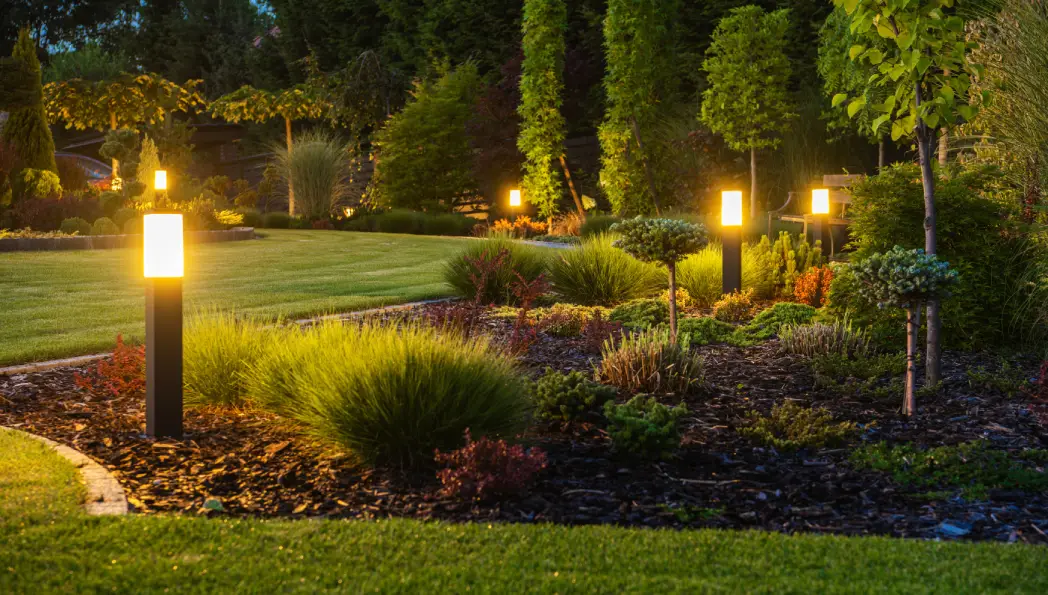
Smart technology continues to expand across outdoor environments. Many systems now monitor soil moisture, adjust irrigation, and track plant health quietly in the background. Low-profile lighting integrates with solar systems that reduce energy use. Some designs include automated shading or screens that adjust temperatures in outdoor living spaces. These tools support the work of a landscape architect by keeping landscapes responsive without daily oversight.
Technology also helps homeowners understand how their space performs. With better insights, they make informed decisions about plant selection, watering patterns, and seasonal updates.
Outdoor Rooms Shape the Way Families Live Outside
Backyards act as extensions of the home. This trend grows stronger each year as outdoor living spaces take on more defined roles. Many families add areas for cooking, dining, or entertainment. Others prefer quiet garden rooms that support reading, meditation, or small gatherings. Each “room” carries a distinct identity while staying connected through unified materials and planting palettes.
Designers often use hedges, ornamental grasses, and low stone walls to guide movement between spaces. These features create flow while keeping the landscape open and grounded in natural beauty. A well-planned residential landscape can shift moods easily, from lively celebrations to calm evening routines.
Wellness Becomes a Clear Priority
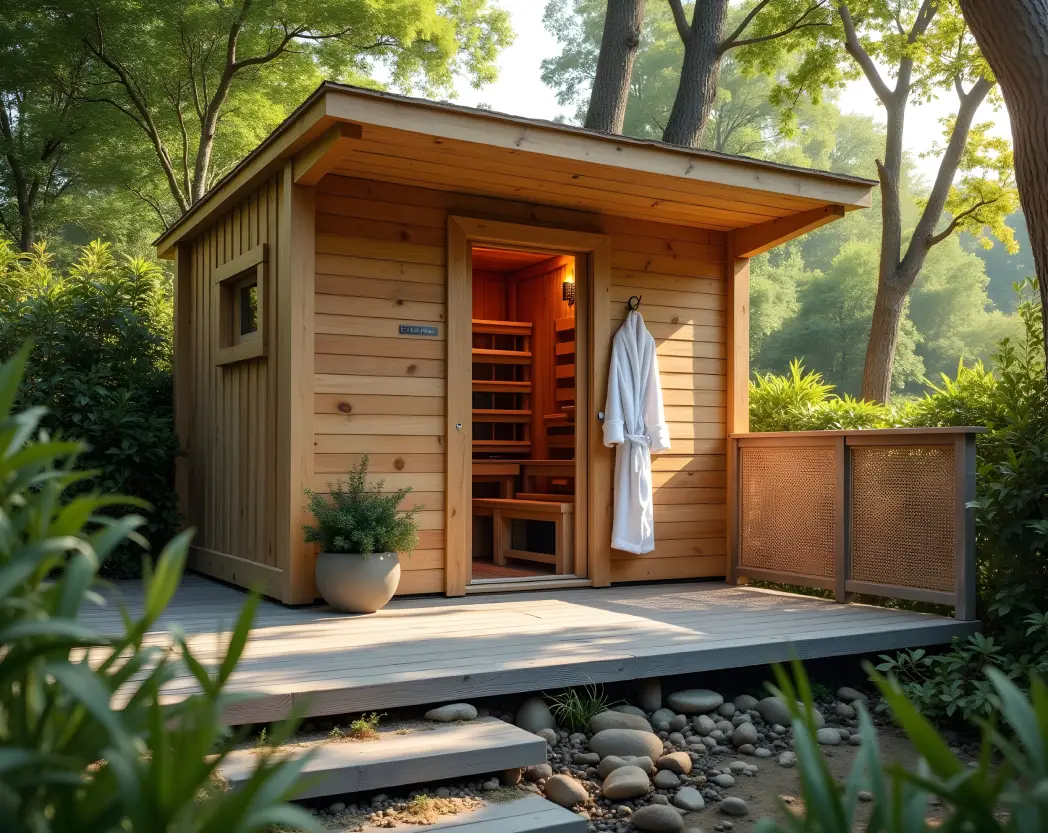
Modern landscapes support mental and physical well-being. Designers use biophilic principles that strengthen the bond between people and nature. Soft textures, layered planting, and natural materials encourage visitors to slow down. Sound and scent play meaningful roles, with water features, aromatic plants, and rustling grasses adding sensory depth.
Wellness-focused spaces remain simple and uncluttered. Homeowners want areas that require little routine upkeep yet feel restorative throughout the year. Thoughtful lawn care and seasonal maintenance help these spaces keep their shape without losing their natural elegance.
Color Palettes Blend Bold Accents with Natural Foundations
Lush healthy plant material in rich shades of green – dark shiny emeralds, vibrant apple greens, warm neutral olives, are always in favor. These colors contrast with the bright or pastel colors of annual and perennial flowers. Many designers pair plantings with hardscape elements with quiet tones like greige, taupe, and terracotta. This mix supports both expressive flower beds and restrained garden design styles.
Texture adds another dimension. Grasses and groundcovers introduce fine movement while broad-leafed shrubs create structure. When combined, these layers offer visual interest across all seasons, even when flowers fade.
Design Features That Define 2026
Several landscape architecture details continue to gain momentum as homeowners seek functional, durable, and ecologically rich spaces.
Key elements include:
- Native and pollinator-friendly plants
- Edible garden integration
- Sustainable stone, decomposed granite, and recycled materials
- Low maintenance pondless recycling water features
- Vertical trellises, living walls, and trained fruit trees
- Clean lines and minimalistic layouts
Each feature supports low-maintenance design. When used together, they create residential landscapes that look refined and feel connected to their environment.
A More Resilient Future for Outdoor Living
The goal of modern landscape architecture is clear: create spaces that support people and nature. Homeowners want landscapes that handle weather shifts, reduce maintenance, and offer comfortable places to gather. They also want garden design elements that feel timeless rather than trendy. With stronger plant communities, smart technology, and thoughtful outdoor rooms, 2026 trends move landscapes toward resilience and beauty that endures.

