
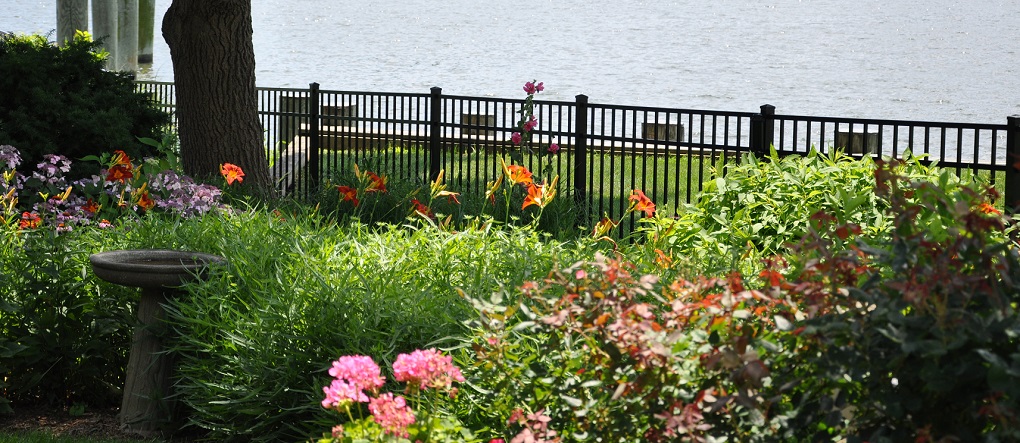
Spring arrives early along the Chesapeake. By the time the forsythia blooms in Annapolis, the design season is already underway, and for homeowners who want a transformed outdoor space by summer, the planning window is shorter than most people expect.
At McHale Landscape Design, our Annapolis team works with properties ranging from hillside estates in Davidsonville to waterfront homes on Gibson Island and along the Severn River. What every project has in common is this: the clients who are happiest with their summer landscapes are the ones who started conversations in late winter or early spring. Here is why, and what you should be thinking about right now.
Why Spring Is the Right Time to Start Planning
A residential landscape design and build project in Annapolis typically takes four to six months from initial consultation to completed installation, depending on the scope. That timeline includes a design phase, permitting where required, material procurement, and the installation itself.
For Annapolis homeowners, that timeline has an extra layer of complexity that inland properties do not face: the Chesapeake Bay Critical Area Law.
If your property sits within 1,000 feet of tidal water, which includes most of Annapolis’s most desirable neighborhoods, it falls within the Critical Area. The 100-foot buffer zone immediately adjacent to tidal waters and wetlands is subject to strict vegetation management requirements. Any grading, clearing, or planting within that buffer requires an approved Buffer Management Plan from Anne Arundel County before work can begin.
This is not a reason to delay. It is a reason to start early. Our team has navigated these regulations for decades, including projects on Gibson Island and along the Severn, where the buffer requirements and the visual stakes are both at their highest. Starting the design process in spring means permitting can run concurrently with detailed design, keeping the overall timeline on track for a summer or early fall completion.
What Annapolis Waterfront Properties Actually Need
Designing for a waterfront property in Annapolis is not the same as designing for a suburban lot in Clarksburg or a wooded estate in McLean. The site conditions are different. The regulatory environment is different. And the design priorities are different.
The best landscape designers in Annapolis understand that the water is both the greatest asset and the greatest design constraint on a waterfront property. Here is how we think about it.
Shoreline stability and erosion control
Tidal properties lose ground to erosion every year. A well-designed planting plan within the Critical Area buffer, using deep-rooted native species, does more than look natural. It protects the shoreline, filters runoff before it reaches the Bay, and satisfies the county’s buffer establishment requirements.
Native switchgrass (Panicum virgatum), cardinal flower (Lobelia cardinalis), and Joe Pye weed (Eutrochium purpureum) are all excellent performers in this zone. They establish quickly, require minimal irrigation once rooted, and provide year-round visual interest. The Severn River Association recommends native buffer plantings as one of the most effective tools waterfront homeowners have for protecting local water quality.
Managing the view corridor
Every waterfront homeowner wants to protect the water view. But removing trees and shrubs to open sight lines can trigger Critical Area violations and accelerate erosion. The solution is selective, layered planting: preserving canopy trees that frame the view without blocking it, and using lower-growing native species in the foreground that enhance rather than obscure the connection to the water.
This is where experienced garden design in Annapolis pays for itself. Done well, a managed view corridor looks completely natural. Done poorly, it looks cropped and artificial, and may create regulatory problems down the line.
Stormwater management above the buffer
Even on the upland portion of a waterfront property, beyond the 100-foot buffer, stormwater management is a critical design consideration. Impervious surfaces like patios, driveways, and walkways increase runoff volume and velocity. Properly graded swales, rain gardens, and permeable paving options can manage that flow on-site rather than sending it toward the Bay.
Maryland’s nutrient management requirements also mean that fertilizer and pesticide use on waterfront properties is more constrained than elsewhere. Native and low-maintenance plant palettes are not just an environmental preference here; they are often the practical choice.
A Closer Look: Transformation on the Severn River
One of our recent Annapolis projects illustrates how thoughtful landscape design can completely transform the character of a waterfront property. The Residencia del río Severn underwent a full entrance and front foundation redesign during a concurrent home renovation, a situation we see often, where an exterior renovation creates the opportunity to rethink the landscape from the ground up.
Working around the existing hardscape framework, including the driveway, a low stone wall, and entry steps that were worth keeping, our team redesigned the plantings and overall composition to create an arrival experience that felt intentional rather than inherited. The goal was a landscape that looked like it had always belonged to the house, while giving the home a presence that matched its renovated interior.
Projects like this demonstrate why the relationship between landscape designer and homeowner matters. Understanding what a family actually wants from their outdoor space, the way they move through it, the maintenance level they can commit to, the seasonal character they value, produces better design outcomes than any generic plant list.
Bay-Friendly Plant Choices for Annapolis Properties
Spring is planting season, and Annapolis properties have a rich native palette to draw from. The Chesapeake Bay watershed supports a diverse flora that performs well in coastal conditions, including salt spray tolerance, wet-to-dry soil variability, and the particular light quality of a waterfront site.
Some of the species we return to most often on Annapolis landscape design projects:
- Bald cypress (Taxodium distichum) — exceptional in wet areas and near tidal zones. Provides a distinctive silhouette and stunning fall color. Extremely long-lived and low-maintenance once established.
- Sweetbay magnolia (Magnolia virginiana) — semi-evergreen, fragrant in late spring, tolerant of wet soils. Works beautifully as a mid-story tree near the water.
- Inkberry holly (Ilex glabra) — native evergreen shrub that tolerates both wet and dry conditions. Provides winter structure and bird habitat. An excellent buffer plant.
- Virginia sweetspire (Itea virginica) — outstanding fall color, fragrant summer flowers, tolerant of a wide range of conditions including poor drainage. A workhorse shrub for Annapolis gardens.
- Blue wild indigo (Baptisia australis) — deep taproot makes it drought-tolerant once established. Striking blue-purple spring flowers and attractive seed pods. Long-lived and virtually maintenance-free.
- Native switchgrass and little bluestem (Schizachyrium scoparium) — both grasses move beautifully in bay breezes, provide critical bird habitat, and transition the garden toward the naturalistic coastal character appropriate to a waterfront setting.
McHale owns and operates its own nursery, which provides access to plant material that is not available through standard retail channels. For projects where specific species, sizes, or qualities matter, and on a waterfront property they usually do, this is a meaningful advantage in delivering results that look established rather than freshly planted.
The Design-Build Timeline: What to Expect
One of the most common questions we hear from Annapolis homeowners is: how long does this actually take? The honest answer depends on scope and site complexity, but here is a realistic framework for a spring start:
- Weeks 1 to 3: Initial consultation and site assessment. We visit the property, understand how you use the space, review any regulatory constraints, and discuss budget and priorities.
- Weeks 4 to 8: Concept design and refinement. We develop design concepts, present them, and refine based on your feedback. For waterfront properties, this phase also involves confirming Critical Area buffer boundaries and identifying any permitting requirements.
- Weeks 8 to 12: Permitting and procurement. Buffer management plan submissions go through Anne Arundel County Inspections and Permits. We manage this process on your behalf. Simultaneously, we source plant material and schedule installation crews.
- Weeks 12 to 20: Construction and planting. Hardscape installation if applicable, grading, and planting. For a spring start, this typically puts completion in late summer, the ideal time for plants to settle in before fall.
This is why we encourage Annapolis homeowners to reach out in March or April rather than June. By mid-summer, our installation schedule is fully committed, and the best we can do is plan for the following spring.
Spring Maintenance: Setting Up the Season Right
Even for homeowners who are not undertaking a new design project this year, spring is the most important maintenance season for Annapolis properties. What happens in April and May sets the trajectory for the entire growing season.
Key spring priorities for Annapolis landscapes:
- Soil assessment and amendment. Waterfront soils in Annapolis tend toward sandy and low-nutrient. A spring soil test guides fertilization decisions and helps ensure compliance with Maryland’s Lawn Fertilizer Law for waterfront properties.
- Invasive species removal. Spring is when invasives like English ivy, Japanese honeysuckle, and phragmites make their fastest growth. Early removal, with an approved vegetation management plan if you are in the buffer zone, prevents exponential spread through the season.
- Irrigation system startup and inspection. Any system that has been winterized should be inspected before the dry months begin. Annapolis summers can be dry enough to stress even established native plantings.
- Mulching. A fresh layer of mulch in spring suppresses weeds, retains moisture through summer, and keeps the landscape looking maintained through the high-use season.
Nuestra landscape maintenance programs in Annapolis are designed around exactly these seasonal rhythms, with teams who understand the particular demands of Bay-area properties.
Start the Conversation Now
The Annapolis market for residential landscape design is competitive, both in terms of the homeowners seeking it and the firms offering it. What sets the best outcomes apart is almost always time: time to design thoughtfully, time to navigate permits properly, and time to source the right plant material.
McHale’s Annapolis team has been working on properties throughout Anne Arundel County for over four decades. We know the Critical Area regulations. We know the plant palette that performs on waterfront sites. And we know how to manage a design-build project so that the finished landscape reflects what you actually wanted, not a compromise forced by a compressed timeline.
If you are thinking about a landscape design project for your Annapolis property this year, reach out to our Annapolis team this spring. The sooner we talk, the more we can do with the season ahead.

